
Working Group on Asian Ornithology
The Working Group on Asian Ornithology (WGAO) of the International Ornithologists' Union (IOU) was conceptualized during the 26th International Ornithological Congress in Japan. At the initial stage, the activities and functions of WGAO includes promoting research cooperation, data sharing, conservation management, research fund raising, future conferences, a newsletter, and knowledge promotion and sharing. Members of the Working Group come from Northeast Asia, East Asia, Southeast Asia, South Asia, and West Asia.
WGAO aims at strengthening the networking and collaboration of Asian ornithologists. Additional Asian ornithologists are welcome to join WGAO activities. New Working Group members will be recommended and elected by the Committee.
Report on the 1st Asian Ornithological Conference
 Despite the an increasing intensity of COVID-Delta cases in the wake of China’s domestic National Day holiday season, the "1st Asian Ornithological Conference (1st AOC)" was successfully held in China on November 9-11, 2021.
The conference was originally scheduled to be held in Zhuhai City, Guangdong Province. Due to the emergence of multiple COVID cases in northwest China and in accordance with epidemic prevention and control policy, the conference was ultimately carried out online (for all attendees outside mainland China) and in person (for attendees in mainland China compliant with COVID-control policy) at three synchronous physical localities in Beijing, Shanghai and Guangzhou, respectively (Fig. 1). More than 300 delegates from 91 universities and institutions across 29 countries formally registered to participate in the conference. The theme of the 1st AOC was "Asian Birds Share One Blue Sky", which embodies the solidarity and cooperation of Asian ornithologists to work together in research and for the protection of Asian birds.
The conference was organized by Guangdong Zoological Society, China Ornithological Society, and the Working Group on Asian Ornithology (WGAO) of the International Ornithologists’ Union (IOU).
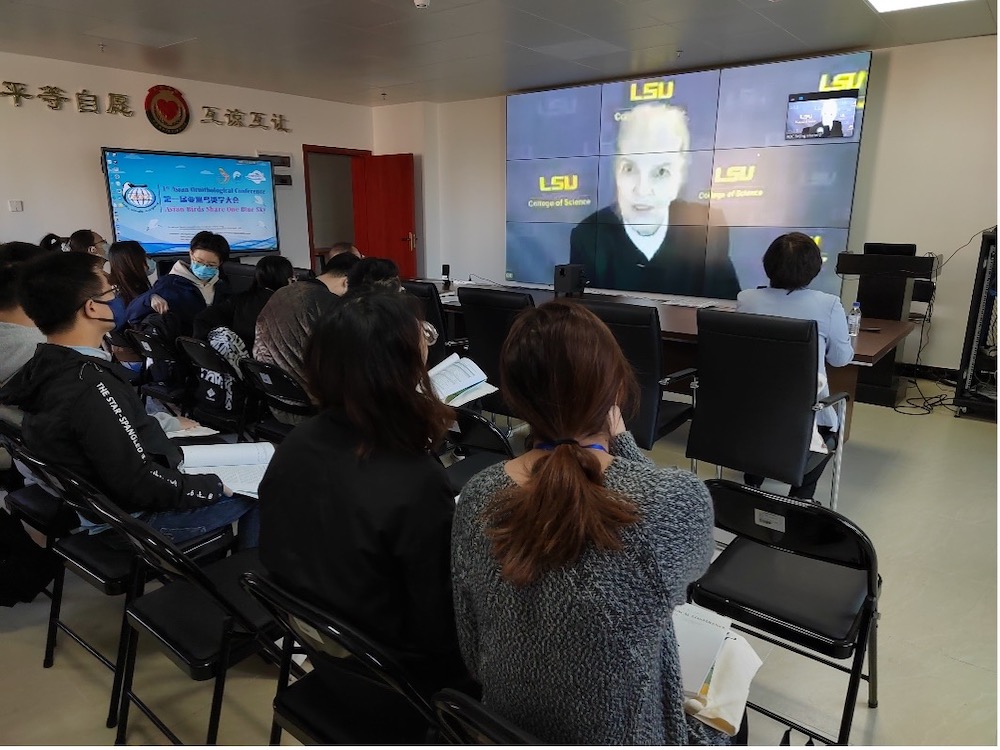
Fig. 2 The opening address by Prof. Dominique G. Homberger, the president of IOU
At the opening ceremony of the conference, the president of the IOU, Prof. Dominique G. Homberger, wished the best of success to the participants and expressed her appreciation for the organization of this ground-breaking conference (Fig. 2). The Immediate Past-President of the IOU, Prof. Lucia Liu Severinghaus, then went on to discuss the high diversity of birds in Asia and the importance of establishing a communication platform for ornithologists on Asian birds (Fig. 3). Subsequently, the Vice President of the Chinese Zoological Society, Prof. Zhang Zhengwang (Fig. 4), the deputy director in charge of the Institute of Zoology, Chinese Academy of Sciences, Prof. Zhan Xiangjiang (Fig. 5), and the deputy chairman of the Guangdong Zoological Society, Prof. Zou Fasheng, all joined in delivering their sincere congratulations to the successful convening of the 1st AOC.
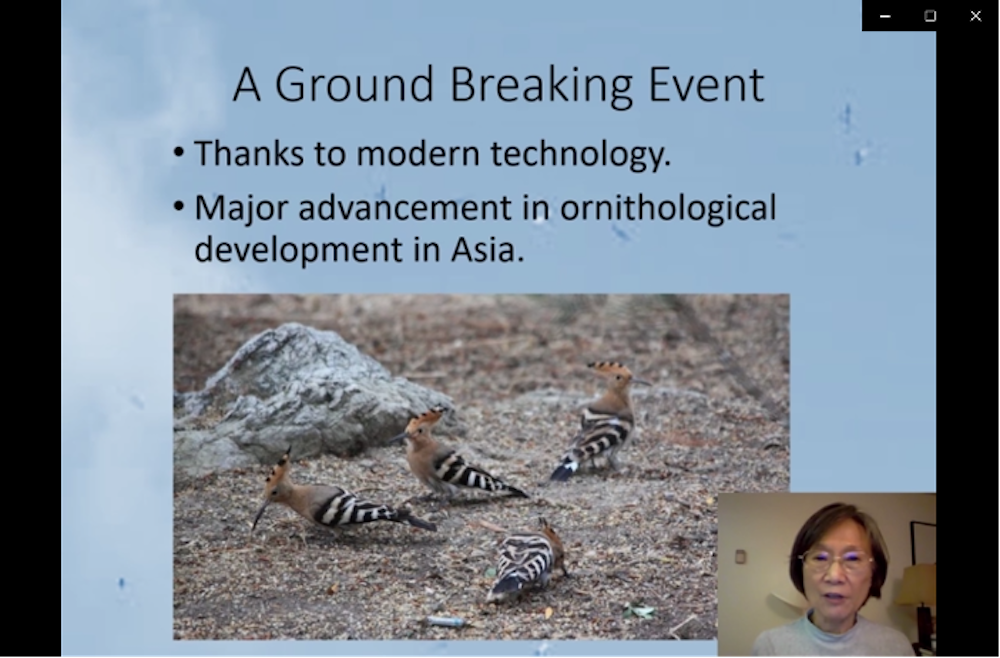
Fig. 3 The opening address by Prof. Lucia Liu Severinghaus, the Immediate Past-President of the IOU

Fig. 4 A welcome address by Prof. Zhang Zhengwang, the Vice President of the Chinese Zoological Society
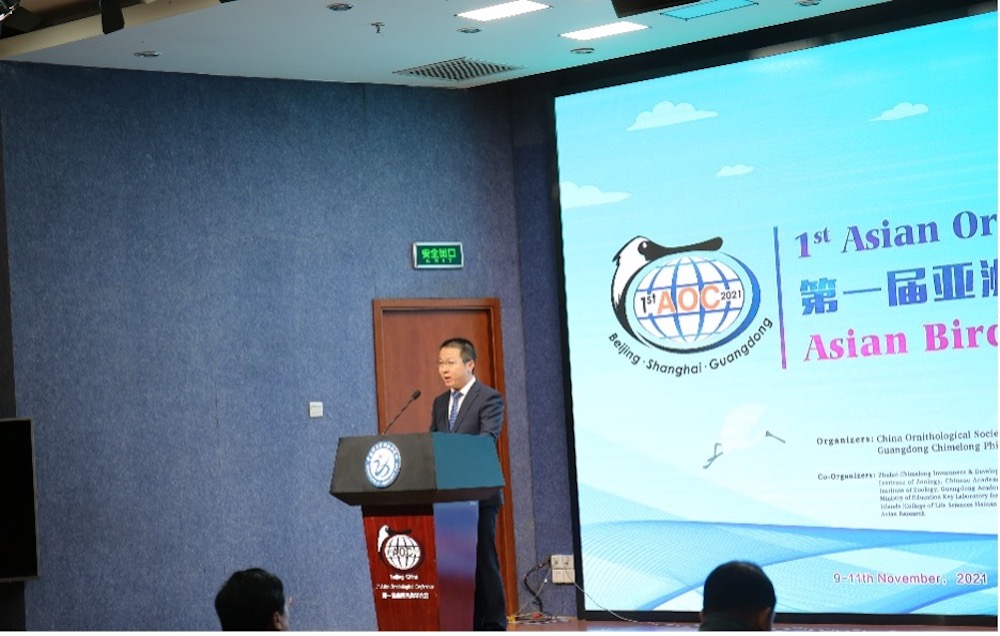
Fig. 5 A welcome address by Prof. Zhan Xiangjiang, the Vice President of the Chinese Zoological Society
The Chairman of the 1st AOC, Prof. Lei Fumin from the Institute of Zoology, Chinese Academy of Sciences, expressed his gratitude to all attendees, working staff, and colleagues world-wide for their support and assistance in making this conference succeed (Fig. 6). He elaborated on the WGAO’s continuing aims to strengthen networking and collaboration among Asian ornithologists to promote research cooperation, data sharing, conservation management, the raising of research funds, and knowledge promotion and sharing. The 1st AOC seeks to provide an opportunity not only to improve academic exchange in ornithology, but also to facilitate communication and friendship among ornithologists and birders across all Asian countries and beyond, and to promote a pan-Asian alliance for long-term cooperation.
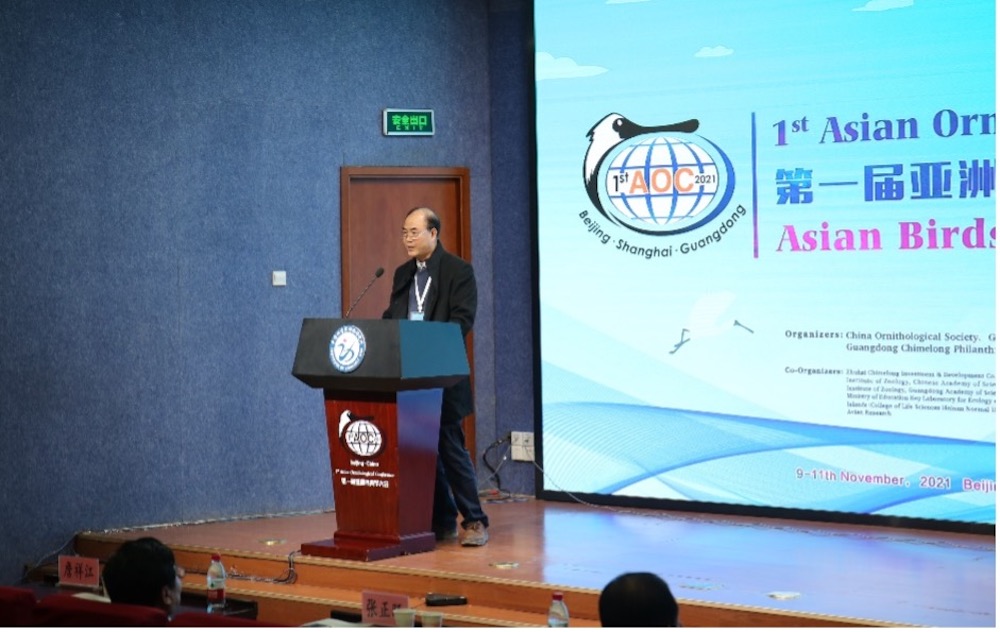
Fig. 6 An acknowledgement and topic remarks by Prof. Lei Fumin, the Chairman of the 1st Asian Ornithological Conference
As part of the academic program of the conference, seven invited speakers gave their plenary talks with topics spanning molecular evolution and phylogeny, high altitude adaption, diversity and conservation, brood parasitism and bird habitat restoration in urban areas (Figs. 7 & 8). There were 50 oral presentations and 30 posters covering a wide range of taxa, including songbirds, aquatic birds, wading birds, and birds of prey, and tackling such research topics as bird behavior, migration, ecology, conservation, biogeography, phylogeny, and genome evolution (Figs. 9 & 10). There were also 4 round table discussions (RTD) whose topics ranged from scientific paper submission, the development of the Asian Ornithological Alliance (Fig. 11), yellow-breasted bunting protection (Fig. 12), all the way to waterfowl migration protection (Fig. 13).
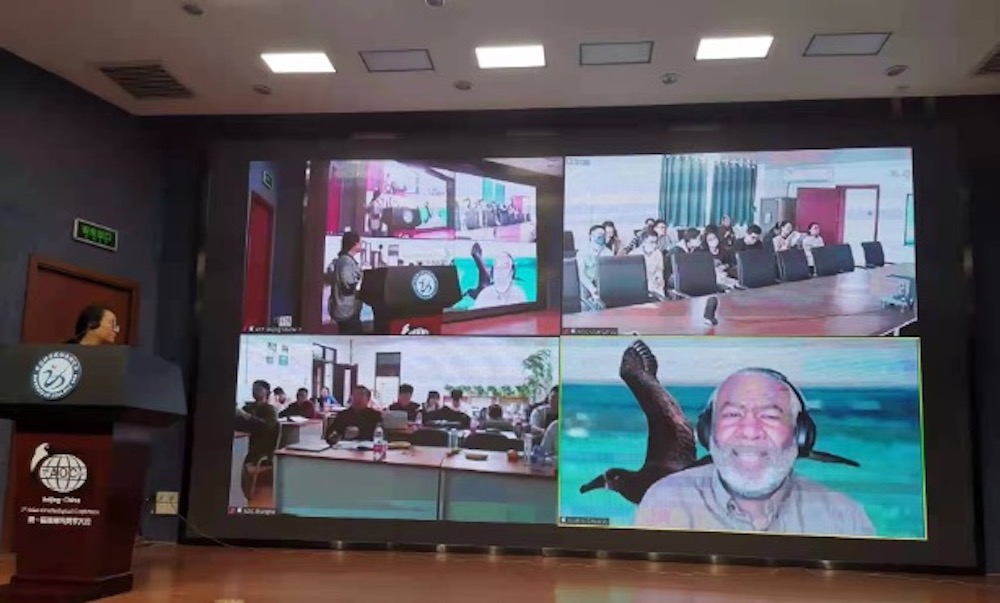
Fig. 7 Invited Plenary Speech by Prof. Scott V. Edward
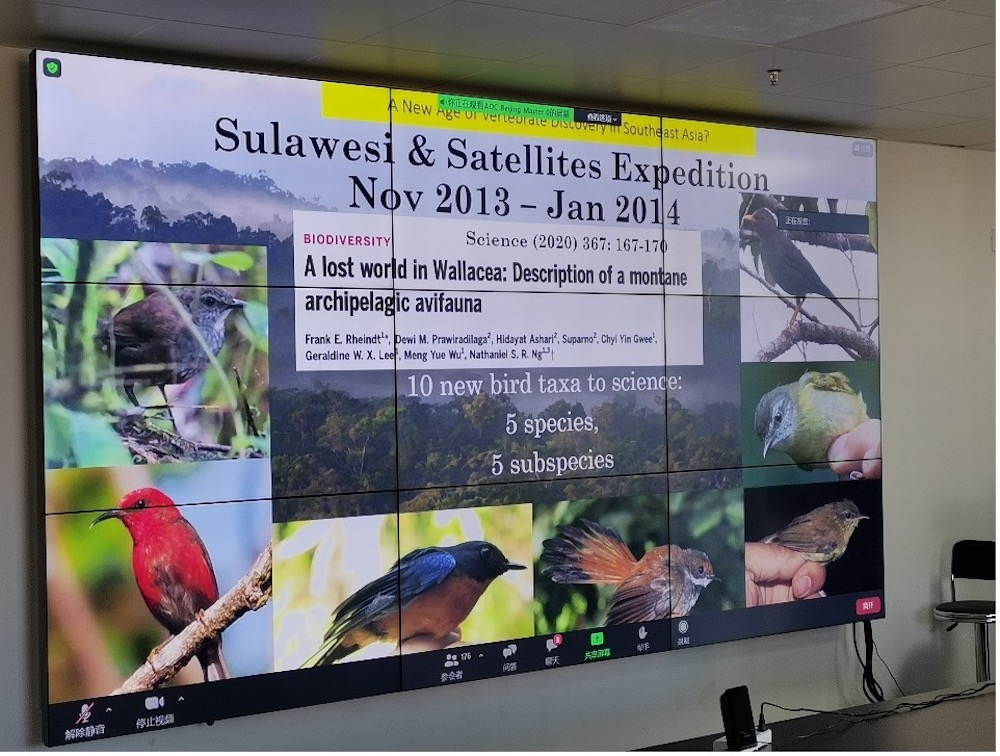
Fig. 8 Invited Plenary Speech by Prof. Frank E. Rheindt
During the RTD on the“development of a dialogue with a view to establishing an Asian Ornithological Alliance (AOA)”, participants from the International Ornithological Union (IOU) and delegates of the 1st AOC joined the discussion. Delegates from countries as varied as China, Kazakhstan, India, Indonesia, Japan, South Korea, Malaysia, Mongolia, Russia, Singapore, Thailand, and Vietnam had a substantive discussion on developments in Asian ornithology. All delegates agreed to build an interactive, cooperative, non-profit corporate structure for ornithologists and for the development of ornithology across Asian countries and regions. This new organization would be named the "Asian Ornithological Alliance (AOA)". An executive committee (EC) would be established for running ordinary work of the AOA with a general secretary office in Beijing, and with regional branch offices set in different countries and regions to promote ornithological research and ornithologist networks. All delegates agreed to commit Fumin Lei as the chairman and Frank E. Rheindt as the vice chairman of the AOA in the coming 4 years to help push the establishment and development of the AOA. Several committees under the EC were also proposed, including a publications committee, membership committee, and fundraising committee, and others will be recommended after the 1st AOC. The meeting agreed to make the Asian Ornithological Congress (AOC) a periodic meeting of the AOA, which could be held every two years, and to hold the next Asian Ornithological Congress in 2023.
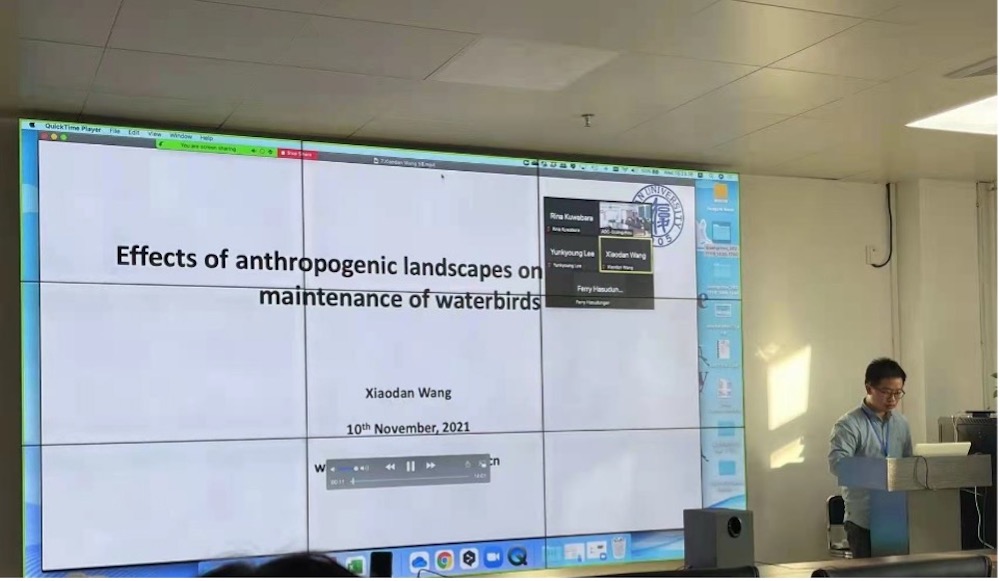
Fig. 9 One of the oral sessions during the 1st AOC
At the closing ceremony on November 11, Prof. Frank E. Rheindt from the National University of Singapore provided a summary of conference achievements. On behalf of the 1st AOC organizing committee, Prof Zhang Zhengwang from Beijing Normal University expressed his gratitude to the co-organizers and conference sponsors who made important contributions to this AOC.
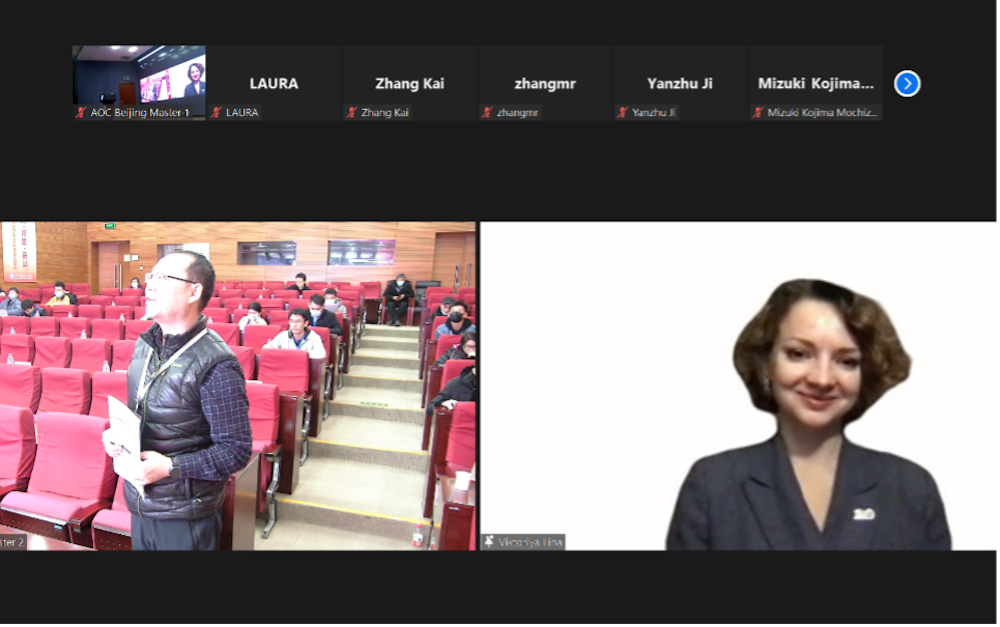
Fig. 10 Q&A part during the oral session
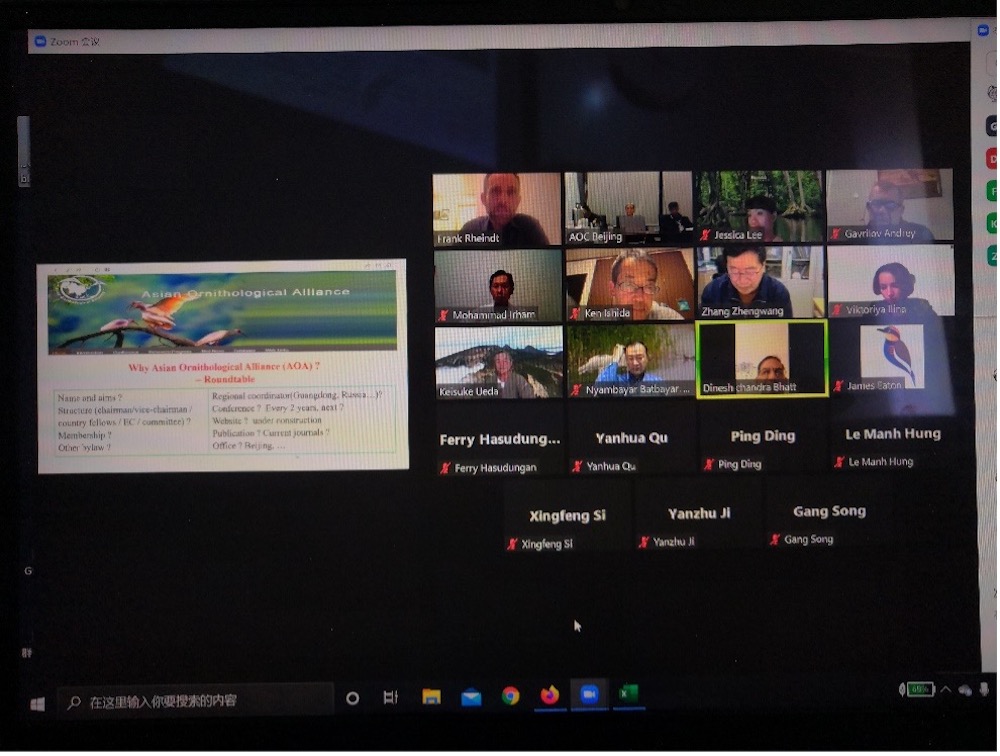
Fig. 11 Round table discussion on the development of the Asian Ornithological Alliance
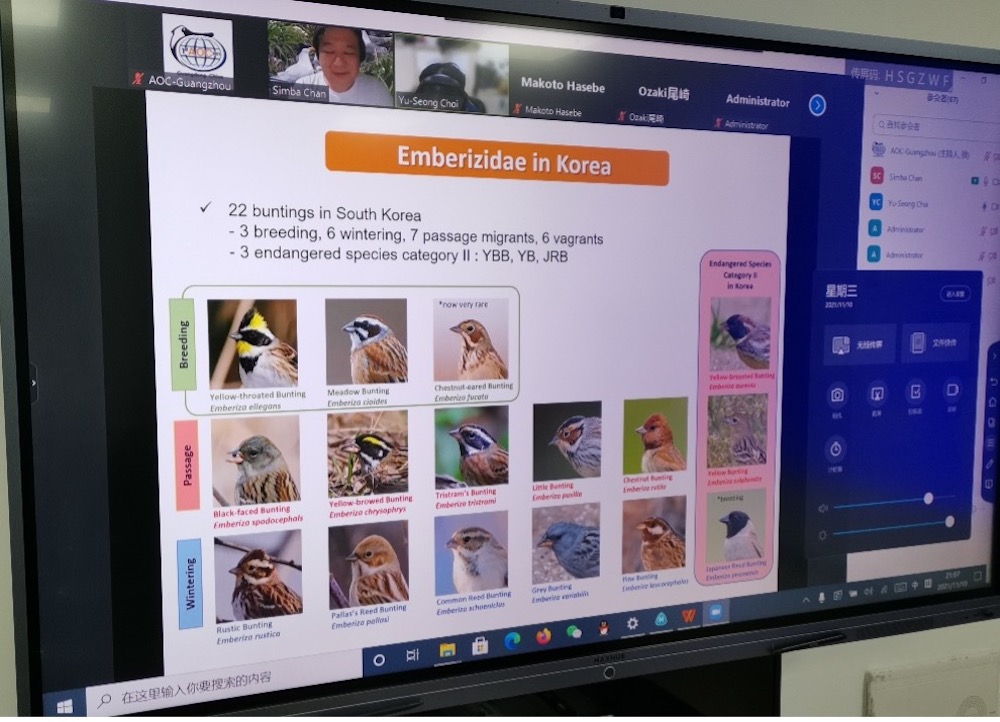
Fig. 12 Round table discussion on the Yellow-breast Bunting protection
The successful convening of the 1st AOC is a milestone in the development of Asian ornithology. The establishment of the AOA will not only provide an exchange platform for Asian ornithology scholars, but also promote ornithological research, an ancient and classic discipline, to have new vitality in a new era. In the current era of increasing integration among disciplines and research technologies, this conference was of great significance to ornithological research and conservation in Asia and across the world.
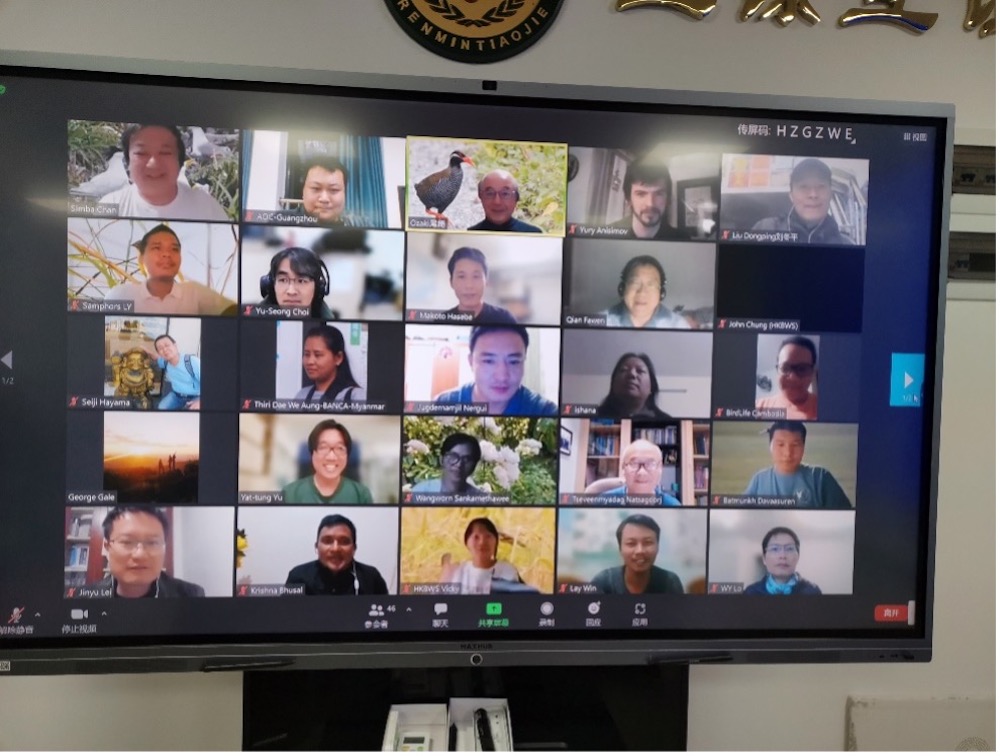
Fig. 13 Round table discussion on all the way to waterfowl migration protection
Asso. Prof. Gang Song
Prof. Frank Rheindt
Prof. Fumin Lei
Working Group of Asian Ornithology, IOU
Round Table Discussion on the Working Group Meeting on ‘Asian Ornithology’
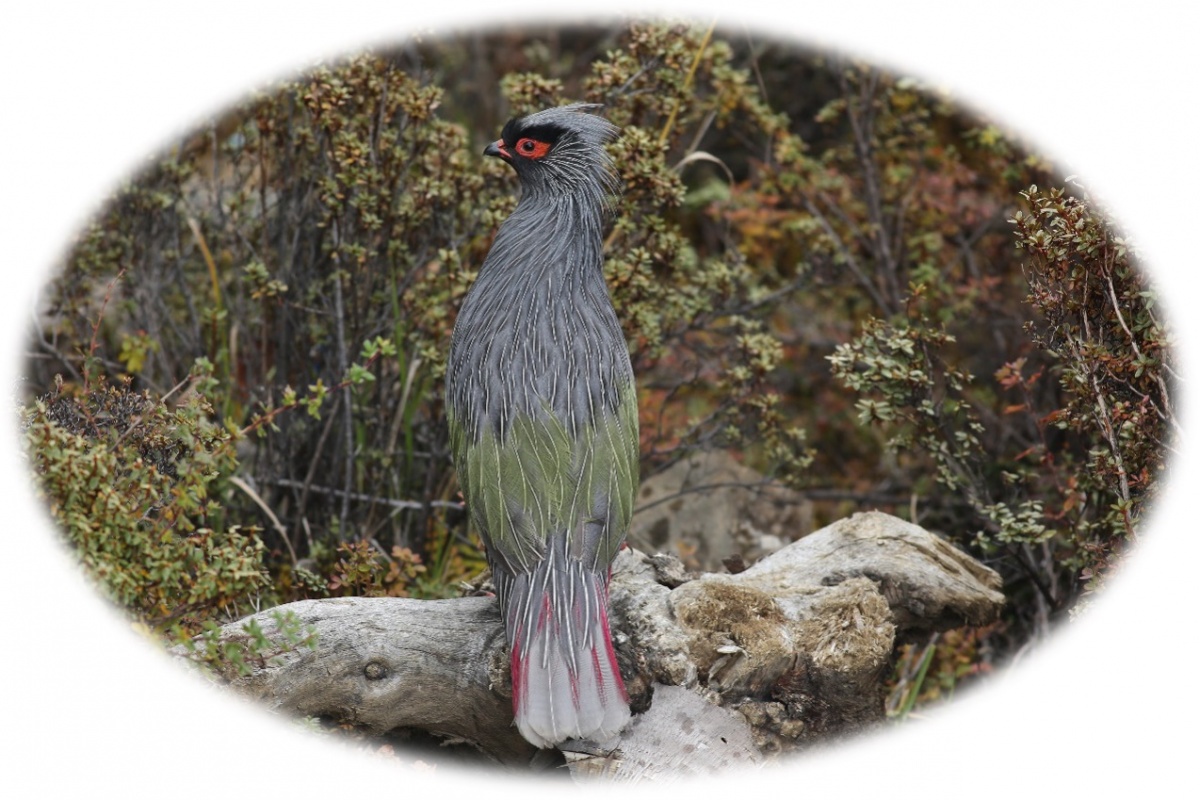
Asia harbors a remarkable abundance bird species, which deserve more attention, research and protection by the world. We cheers for the prominent achivements during past four years on ornithological research and birds conservation. It is an invaluable chance of the IOU2022 that we can catch up again to retrospect our experiences since the last time meeting at Vancouver. We welcome all registered delegates from Asian countries, and studying or fascinating Asian birds join us on the RTD on WGAO. The detailed information of the RTD will released along with the IOU2022 program updating.
The Missions of WGAO:
1) To promote scientific research and cooperation among Asian partners and to collaborate with members in other regions,
2) To establish research needs and conservation strategies for the Asian region,
3) To identify barriers in effective research and conservation of threatened birds in Asia, and explore possible solutions,
4) Through the activities of WGAO, to attract more Asian ornithologists to join the IOU, especially from the developing and less developed countries.
Organization and Operation of the WGAO:
WGAO has a Chair, a Vice-chair, and several regional coordinators as committee members to represent the Asian regions and to lead its activities. A home page portal will be set up in the IOU website to facilitate communication among WGAO members, including discussions on special topics, information sharing, and coordination of joint projects.
Besides frequent communication, WGAO will hold regular (every two years) or irregular workshops among the member countries. The WGAO will submit a report of its activities to the IOU President and Executive Committee every four years.
Current Committee Members
Chair: Prof. Fumin Lei (IOU Fellow, IOU Vice President 2014-2018), Institute of Zoology, Chinese Academy of Sciences, Beijing, Email: leifm@ioz.ac.cn
Vice-Chair: Prof. Frank Rheindt, National University of Singapore, Singapore, Email: dbsrfe@nus.edu.sg
East Asia : Prof. Keisuke Ueda (IOU Fellow), Rikkyo University, Tokyo, Email: keisuke@rikkyo.ac.jp
Southeast Asia : Prof. Mohamed Zakaria Hussin, (IOU Fellow), Universiti Putra Malaysia. Email: mzakaria@upm.edu.my
South Asia: Prof. Dinesh Bhatt (IOU Fellow), GurukulaKangri University, Haridwar, Uttarakhand, Email: dineshharidwar@gmail.com
North Asia : Prof. Alexander Shestopalov, Senior Researcher, Novosibirsk State University; Actual director FSBSI "Research Institute of Experimental and Clinical Medicine" E-mail: shestopalov2@mail.ru
West Asia . Dr. Gavrilov Andrey, Institute of Zoology, Kazakhstan, E-mail: aegavrilov@bk.ru
New committee members will be recommended and elected by the Committee.
Secretary office:
Asso. Prof. Gang Song (IOU member), Institute of Zoology, Chinese Academy of Sciences, Beijing, Email: songgang@ioz.ac.cn